Introduction: The Boys – A Brutal Take on Superheroes
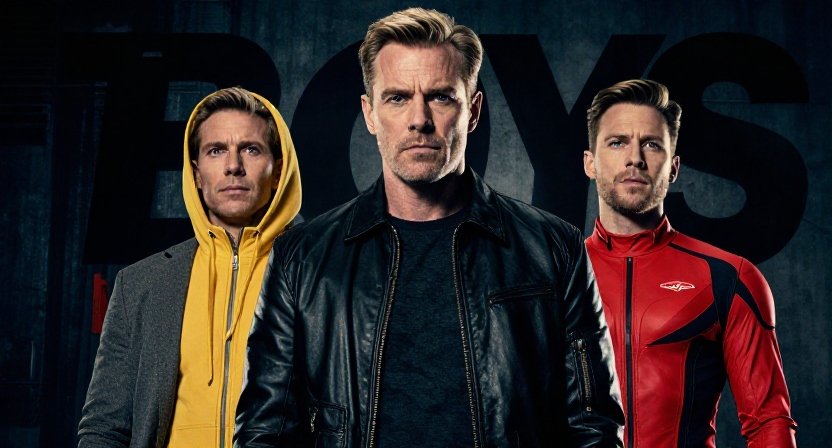
Since its debut in 2019, The Boys has redefined the superhero genre with its unflinching critique of power, celebrity culture, and corporate greed. Based on the comic book series by Garth Ennis and Darick Robertson, this Amazon Prime hit offers a darkly satirical twist on traditional superhero narratives. Unlike Marvel or DC’s polished heroes, The Boys presents morally bankrupt superhumans controlled by a ruthless corporation, Vought International.
The show’s success lies in its bold storytelling, complex characters like Homelander and Billy Butcher, and its willingness to tackle controversial themes. With four seasons (and counting), The Boys has sparked discussions about media manipulation, authoritarianism, and the dangers of unchecked power. Whether you’re a fan of the comics or new to the series, this article dives deep into its themes, characters, and cultural impact.
The Dark Themes of The Boys: More Than Just Blood and Gore
Power and Corruption
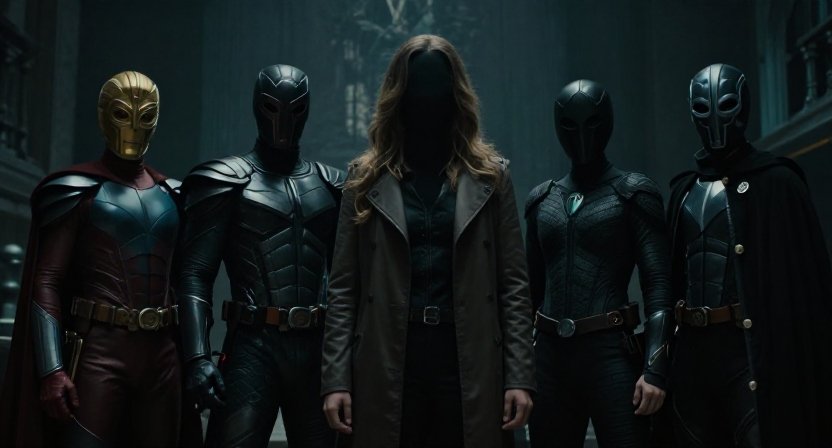
The Boys strips away the glamour of superheroes, exposing how absolute power corrupts absolutely. The Seven, Vought’s premier superhero team, are anything but heroic—Homelander is a narcissistic psychopath, while A-Train and The Deep embody corporate greed and moral decay. The show mirrors real-world issues, such as:
- Celebrity worship and manufactured personas
- Corporate monopolies controlling narratives
- Militarization of superpowers for profit
Media Manipulation
Vought’s PR machine constantly spins atrocities into heroic deeds, reflecting modern media’s role in shaping public perception. For example, the plane crash in Season 1 is covered up to protect Homelander’s image, much like real-world scandals involving powerful figures.
| Theme | Real-World Parallel |
|---|---|
| Hero Worship | Celebrity culture and influencer marketing |
| Corporate Greed | Big Pharma and military-industrial complex |
Character Deep Dive: The Flawed Faces of The Boys
Homelander: The Ultimate Narcissist
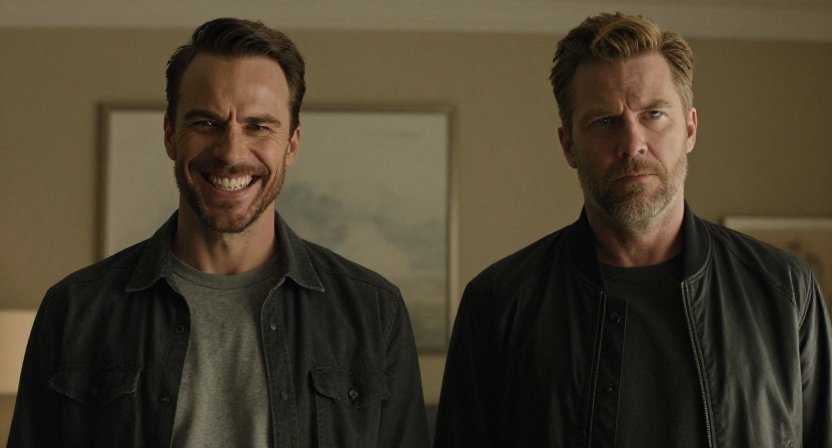
Antony Starr’s portrayal of Homelander is a masterclass in villainy. Unlike Superman, Homelander is a volatile, insecure man-child who craves adoration but lacks empathy. His terrifying blend of charm and brutality makes him one of TV’s most compelling antagonists.
Billy Butcher: The Ruthless Antihero
Karl Urban’s Billy Butcher is the show’s chaotic force—driven by vengeance but increasingly mirroring the monsters he fights. His moral ambiguity keeps audiences guessing: Is he a hero, or just another violent extremist?
| Character | Motivation | Fatal Flaw |
|---|---|---|
| Homelander | Desire for love and control | Fragile ego |
| Billy Butcher | Revenge against supes | Self-destructive rage |
The Boys vs. Traditional Superhero Stories
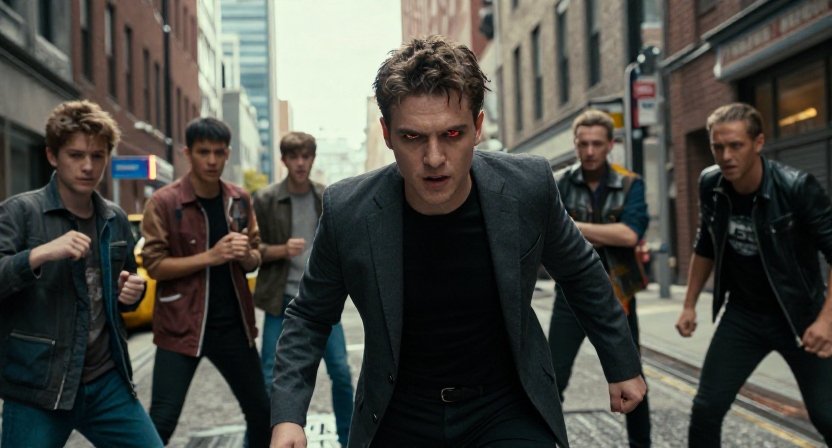
While Marvel and DC paint superheroes as aspirational figures, The Boys deconstructs the genre with brutal realism. Here’s how it differs:
- Moral Complexity: No clear heroes or villains—just shades of gray.
- Graphic Content: Unfiltered violence and dark humor.
- Corporate Satire: Superheroes as branded products.
Cultural Impact and Season Updates
The Boys has influenced pop culture with its memes (e.g., Homelander’s milk obsession) and sparked debates about superhero fatigue. Season 4 promises more chaos, with new characters and Homelander’s grip on power tightening.
Conclusion: Why The Boys Matters
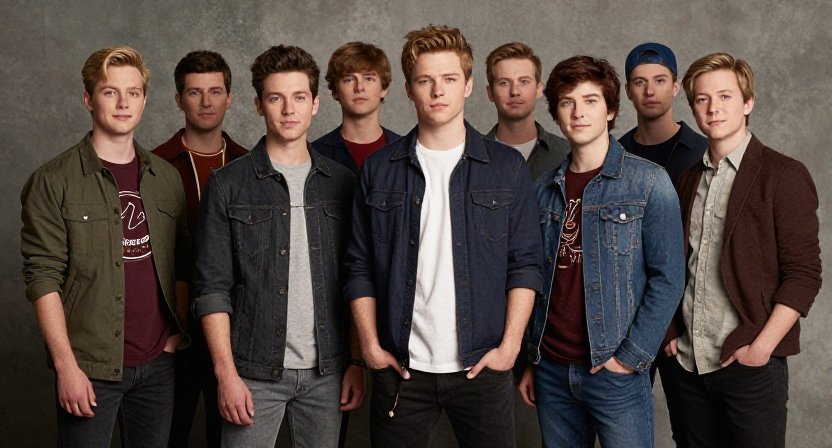
The Boys isn’t just another superhero show—it’s a sharp critique of power, fame, and capitalism. By blending satire with heart-pounding action, it challenges viewers to question who the real villains are. As the series evolves, its cultural relevance only grows, making it a must-watch for fans of mature, thought-provoking storytelling. “`”

- The 50% Milestone: Inside Google’s AI-Generated Code Revolution
- Samsung Galaxy S26 Series: Everything We Know About the February 2026 Launch
- AI Trends That Will Define 2026: From Quantum Computing to Agentic AI
- Homelander Analysis: Unveiling The Boys TV Series Characters
- Paid vs Free AI Tools: A Practical Comparison
